Entry · Ref 5HF4GPVD
Era Pickleball: The Community Behind Local Courts
- Posted
- 2026-09-30
- Last amended
- 2026-09-30
- Account
- @emilioamqs843
If you wander into Era Pickleball on a weekday afternoon, you’re likely to hear more than the thwack of paddles and the squeak of sneakers. You’ll hear conversations that drift from the latest court upgrade to the scavenged memories of seasons past. The place feels grown, not built. It’s a community stitched together by rhythm, repetition, and the stubborn optimism of players who found something infectious in a sport that still feels new to most Americans.
Era Pickleball didn’t rise from a single dazzling idea or a pristine building plan. It grew from the everyday decisions of people who showed up for a court, then kept coming back because someone remembered your name, or because you discovered that the third shot drop you practiced while waiting for a turn finally unlocked a match you needed to win. The courts are the physical center, sure, but the real force is social: a network of players, coaches, staff, volunteers, and fans who treat a pickleball rally as a chance to connect, learn, and push one another a little farther each week.
From the outside, it would be easy to see Era Pickleball as a string of brick-and-mortar locations—indoor courts here, outdoor courts there, a handful of lesson spaces tucked in between coffee shops and hardware stores. What you don’t immediately sense is the pattern beneath the surface: the quiet rituals, the recurring faces, the informal leagues that shape the calendar, the way a successful event spreads by word of mouth and a few enthusiastic Instagram posts. It’s a culture built on shared hours, not just shared courts.
A neighborly wave at the front desk becomes a signal that you’re partly in on the joke. The joke is this: pickleball is simple to learn and deeply compelling to master. It rewards practice and punishes laziness in equal measure, and it does so in a way that keeps people returning with a smile and a cup of water in hand. The community is a living thing that changes a little every season, yet remains consistently welcoming to newcomers who walk through the doors with curiosity rather than bravado.
The rhythm of Era Pickleball begins with the space itself. Indoor pickleball courts in Era Pickleball facilities are designed for speed and safety, with wood floors that bite just enough to keep players honest and lines that glow softly under LED lighting. The best venues balance function and warmth: they’re easy to navigate, but they also invite lingering. You want to stand by the glass wall after a tough rally, watching a pair of pros break down a point with a few well-chosen gestures, and hear snippets of conversation about court etiquette, gear, and the best snacks to keep in the car on a long day.
And there is a tangibly nostalgic quality to Era Pickleball spaces. Even in modern, well-appointed facilities, you’ll find corners where a veteran player has taped up a sheet of notebook paper with a handwritten reminder about a particular drill or a shout-out to a former partner who moved away. It’s not clutter; it’s history. The courts become a repository for shared moments—the last-minute shot that clipped the net and still dropped in, the long rally that tested your patience and then rewarded your discipline, the quiet confidence that grows when you discover that you can keep up with someone you once admired from the sideline.
That sense of shared history grows strongest in the way people organize themselves around leagues, ladders, and clinics. Era Pickleball’s leagues can be as casual as a Sunday afternoon challenge with a recurring group, or as structured as midweek round-robins that run for eight weeks and culminate in a small celebration with trophies and a few raucous stories to tell the grandchildren. If you’re paying attention, you notice how the players volunteer to help with schedule management, equipment setup, and even the social media updates that keep the broader community in the loop. This isn’t a company pushing a product; it’s a neighborhood learning to move, quite literally, in step with one another.
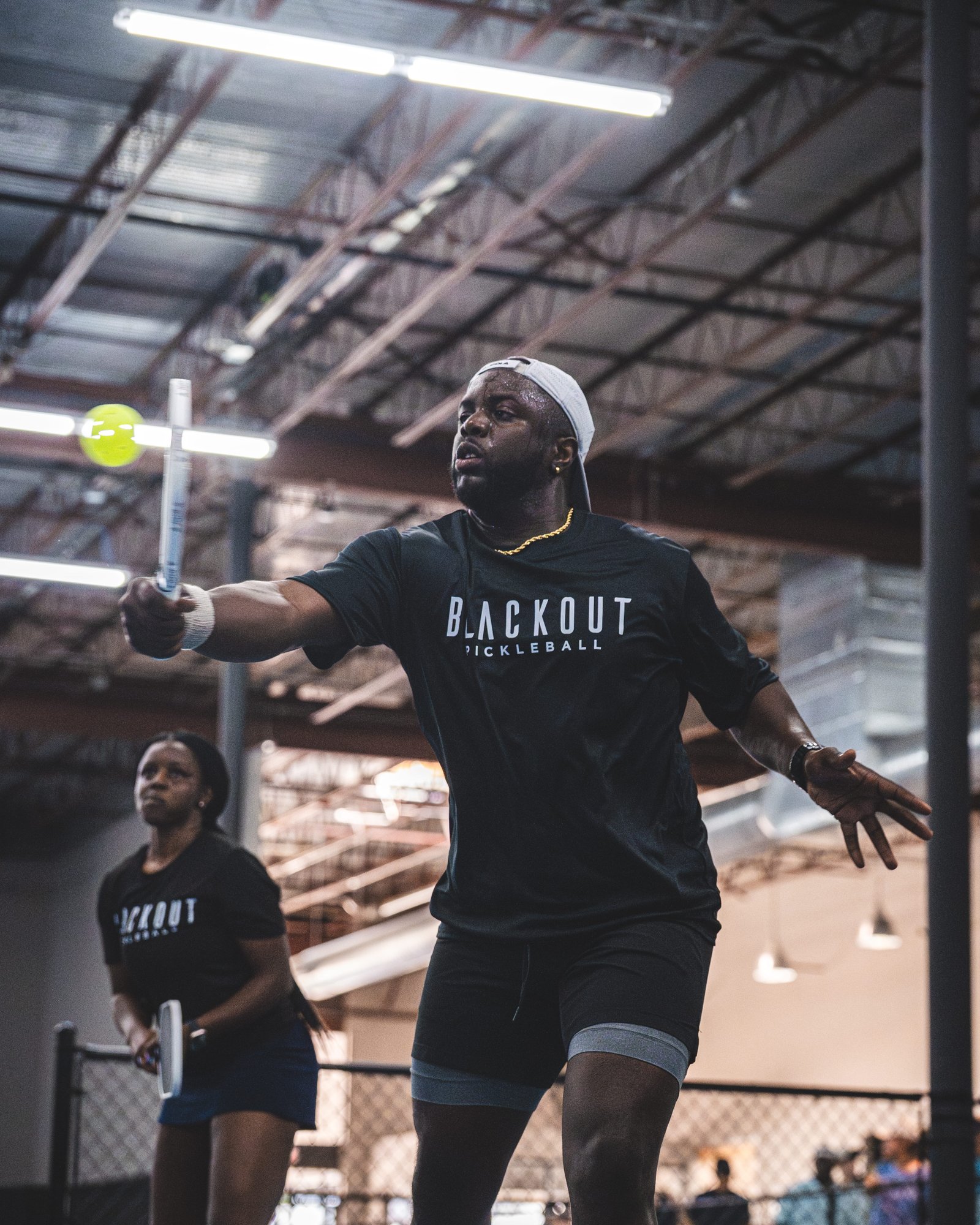
Part of Era Pickleball’s appeal lies in its diverse cast. The courts attract families who bring kids with bright sneakers and older players who treat the sport as a form of social exercise more than a competitive battleground. You’ll see retirees who shape their week around practice sessions the way others shape theirs around church or a book club. You’ll also encounter a growing number of young players who discovered pickleball through cross-training, or because their older siblings demanded a new weekend ritual. The result is a blend that has a remarkable way of dissolving typical sports boundaries. You don’t have to be a ‘serious’ player to feel at home here, and that sense of belonging is contagious.
The business side of Era Pickleball is not invisible, but it is carefully balanced with the human side. The facilities operate as a hub for a wide spectrum of activities that fit different routines and budgets. Indoor facilities often feature programmable spaces that can shift from quiet practice rooms to dynamic tournament floors in an afternoon. Outdoor courts arrive in warmer months, offering a different flavor to the experience, a chance to trade fluorescent lighting for natural sun and a breeze that carries the soft thump of a ball across asphalt. The transition between indoor and outdoor spaces matters because it underlines a truth about pickleball in the Era ecosystem: accessibility drives growth, and growth is the oxygen for community.
To describe Era Pickleball without touching the personalities would be a disservice. The individuals who staff front desks, run clinics, or host open play are not cogs in a machine; they are the most reliable carriers of the culture. Some staff members grew up around the sport, others found it late, but each of them understands a basic principle: a great facility is a magnet only when people feel seen and heard there. A simple greeting at the start of a session can set the tone for an entire afternoon. A small act of extra attention—a reminder about water bottles, a quick fix for a slightly misaligned net, a timely suggestion for a drill—can mean a player returns next week with a friend in tow.
In many ways, the Era Pickleball community behaves like a small city in miniature. There are roles that resemble city planner, coach, librarian, and barista all rolled into one. The coaches, a blend of former college players and lifelong enthusiasts, bring a spectrum of teaching philosophies. Some emphasize footwork and positioning with the precision of a chess match, others lean into creative shot selection and the mental edge that comes with experience. Clinics are the common ground where these approaches merge, offering something for every level of player. The best clinics feel less like a lesson and more like a curated set of conversations about what makes pickleball unique: the balance of risk and reward, the instant feedback loop of success and failure, the way a well-timed dink can dismantle a taller opponent.
With all this in motion it’s worth acknowledging the trade-offs that come with any thriving local culture. A strong community can become tightly knit, and that closeness sometimes makes it harder for new players to break in. The inside jokes, the long-running pairs, the favorite corny drills—they all carry a texture that can feel exclusive if you arrive late to the joke. Era Pickleball has learned to address that through explicit welcome rituals, beginner-friendly hours, and a rotating slate of events designed to lower barriers to entry. The goal is not to eliminate the inside culture but to expand the circle so that someone who walks in with curiosity can feel anchored from day one.
Another practical edge is the balance between competition and social connection. In many sports, travel teams and elite circuits swallow the casual scene whole. In Era Pickleball, there is a deliberate design to keep the competition meaningful while preserving the social fabric that makes players stay. The most successful players understand this balance instinctively. They train with a plan but show up with a plan for the day’s social currency as well. They’ll run a drill with a newer partner, share a quick tip, and then switch to the next match with the same energy that they bring to a late-night scrimmage. It’s not just about winning points; it’s about winning the room’s confidence, one match at a time.
The outdoor courts add another texture to the Era story. In fair weather, the outdoor spaces become a different kind of classroom. The light changes as the sun arcs toward the horizon, and the wind can become a subtle antagonist or a whimsical ally, depending on the day. The social dynamics shift slightly in these environments as well. People who prefer the rhythm of a crowd around the indoor court emerge at the outdoor venues for a more relaxed, open-air experience. The same core values endure—respect, shared challenge, a willingness to help a partner—yet the setting invites a kind of improvisation that only the outdoors can coax out.
One of the most compelling features of Era Pickleball is the sense that the organization is in constant listening mode. The leadership does not pretend to have all the answers, nor do they pretend to know exactly what the community will look like in two years. They collect feedback from players, coaches, and staff, then translate that input into practical adjustments. It might be a new program aimed at seniors who want gentler, mobility-focused routines. It might be a schedule tweak that makes peak hours more accessible to families juggling school pickups. It might be a new member benefit or a small scholarship for a promising junior player. The point is that every change seems grounded in lived experience, not theoretical ambition.
For those who inhabit the Era Pickleball world, the number one reminder is straightforward: show up. The act of showing up is a commitment to the people who will be there when you arrive, and to the future versions of yourself who will be better because you did. The courts, the staff, the fellow players, and the families who treat the facility as a weekend anchor all become part of a larger ecosystem. And the ecosystem, once it takes root, yields something hard to quantify: a social capital that translates into better health, stronger friendships, and a sense of belonging that outlasts the season.
To give you a sense of the daily realities, here are a few concrete scenes drawn from typical weeks at Era Pickleball:
A morning clinic runs with a precise but friendly tempo. A coach demonstrates the perfect two-handed backhand slice, then invites players to try it in small-sided games. A few minutes of feedback, a quick adjustment, and the room brightens with the clack of paddles meeting the ball just right. By noon, the lobby is a mini marketplace of conversations. You’ll hear people making plans to train together next week, to bring a neighbor who has never played, or to test out a new paddle they read about online. The surrounding staff, people who know the rhythm of the place as intimately as players know the rhythm of the rallies, keep the energy even and forward-looking. They keep an eye on safety, too, making sure that shifts in pace don’t translate into fatigue turning into something more serious.
Afternoons bring a different cadence. The outdoor courts pick up a steady stream of players who appreciate the air and the space to move. The disappearances and reappearances in the seating area tell a quiet, ongoing story of families and friends who come back for the camaraderie as much as the competition. A senior group might be finishing a session with a casual ladder drill, swapping stories about a recently hosted tournament, while a younger cohort runs a high-energy drill in a nearby court. The overlap between generations creates a dynamic that’s sometimes messy, but always human. The kids learn by watching, the elders gain from the energy of pace and enthusiasm, and the entire place feels more alive because that cross-pollination happens so naturally.
Evenings often carry a different mood. The court lights glow just enough to blur the edges of fatigue and celebration. A midweek league night becomes a narrative arc, complete with rivalries that are more about friendship than scorelines. When a team edges out a win after a long rally that forced players to stretch their limits, the sense of shared achievement reverberates through the stands. After play, players gather around a beverage station, trading tips about new grip techniques or a clever trick they used to reduce footwork errors in a tricky cross-court rally. The conversation tends to move toward future events: a weekend tournament, an open house for newcomers, a charity scrimmage that doubles as a fundraiser for a community cause. The scene is less about individual glory and more about the living network of people who keep the facility vital.
All of this comes with a practical set of tradeoffs that every successful community needs to manage visit website with care. The most visible is accessibility. A busy facility can feel crowded, and crowding can become a deterrent for beginners. Era Pickleball addresses this with a thoughtful schedule that spreads demand over multiple courts, a tiered system for classes that keeps early learners isolated from intense scrimmage environments, and a friendly sign-in process that doesn’t make newcomers feel they are adding to a backlog. The best time to visit, if you’re new or returning after a break, is usually a mid-morning weekday when the pace is calmer and the staff are not rushing through a peak period. It’s when the rooms feel the most open to inquiry, and that openness matters more than a glossy veneer of efficiency.
Cost is another practical dimension. The economics of running indoor and outdoor spaces vary, and Era Pickleball has learned to balance membership models with community access. Some players purchase memberships that unlock discounted court time and access to exclusive clinics. Others show up with a pay-as-you-go mindset and still find value in the social network—the informal coaching, the spontaneous matchups, the late-day advice that sticks. It helps to approach the facility with a plan: know whether you want to commit to a program or simply use the space as a casual venue for activity. The difference in price points is often worth the clarity it provides, particularly for families who are budgeting for a season of activities across multiple family members.
If there is a single thread that threads the Era Pickleball experience together, it is this: learning is a communal act. The fastest way to improve is to practice with people who care about your growth as much as theirs. The fastest way to feel welcome is to offer a little of your own knowledge to someone else who is starting out. The fastest way to turn a facility into a home is to contribute in some small, consistent way—whether it is helping with a clinic, volunteering at a tournament, or simply striking up a conversation in the warm-down area after a long rally.
As you move through Era Pickleball, you’ll notice the spaces themselves mirror the people who inhabit them. The walls carry fading posters of past events and a rotating photo board filled with smiling faces who have learned a lot on the court and a little about life off it. The equipment desk is a living catalog of the community’s choices: paddles that range from affordable to premium, shoes designed for indoor grip, grip tapes in a spectrum of colors, and a rotation of nets and court pads that speak to a practical mind that understands how decisions about gear affect performance more than branding. The people behind the desk are not salespeople; they are guides who help you find a path that aligns with your goals and your budget.
One of the quieter joys in Era Pickleball is the recurring rituals that might seem small but matter deeply over time. A new player will notice early on that a handful of regulars greet with a smile and a nod, that a coach will step in with a precise correction on a swing, that a partner will offer to carry a heavy bag without being asked. These gestures establish a tone: a culture that values inclusion and thoughtful effort above showy performance. Over weeks and months, those small acts accumulate into a social fabric that you can count on when the court is crowded or when the day has not gone your way.
The longer you stay, the more you realize that Era Pickleball is less about any single feature and more about the balance between structure and spontaneity. It has the discipline of a well-run club and the low-pressure charm of a neighborhood gym. The schedules are robust enough to give you reliable opportunities to train, but flexible enough to accommodate a last-minute pick-up game with a friend who drops by after work. It’s a place where you can arrive with a plan to work on a specific skill, and depart with a dozen little conversations that remind you of why you chose this sport in the first place.
For readers curious about how a community can sustain itself around a set of physical spaces, Era Pickleball offers a useful case study. The model rests on three pillars: consistent, welcoming spaces; a culture of shared learning and mutual support; and a leadership approach that treats the community as an evolving organism rather than a static asset. Each pillar supports the others. Consistent spaces create opportunities for repeated interactions; a culture of learning draws people back, with confidence that they will gain something tangible from each visit; leadership that listens ensures the space remains relevant, accessible, and friendly to a widening circle of participants.
In practical terms, this translates to everyday habits that anyone can adopt to contribute to a healthy community. Show up on a regular basis, not just when you feel on form. If you are new, seek out a short orientation or a beginner-friendly session; ask questions, take notes, and offer your own perspective to others when you are ready. If you are more experienced, consider mentoring a newer player during a slow-time session or volunteering to help with an upcoming clinic. If you are busy but dedicated, offer to help with the social side of events—taking photographs, coordinating a post-match debrief, or helping with sign-ups for tournaments. The point is not to turn the sport into an obligation, but to cultivate a practice that strengthens the network without turning the schedule into a burden.
And what about the future? Era Pickleball appears to be at a crossroads where growth is likely, but growth can bite if not managed with care. The most promising path is to deepen the inclusive culture while maintaining high standards for play and safety. That means continuing to expand beginner programming, investing in accessible facilities, and cultivating leadership that reflects a broader cross-section of the community. It also means staying honest about the limits of any single venue. Not every location will be able to host every event, not every member will want every program, and that is okay as long as the central promise—this is a place where you belong and can improve—remains intact.
If you walk away with one takeaway from Era Pickleball, let it be this: the value of the place isn’t measured by the number of courts or by the size of the membership, but by the quality of the connections formed there. The score on the scoreboard matters, but the quiet satisfaction of a successful drop shot shared with a friend after a tough rally matters more. The laughs and the late-night car rides home with teammates, the way a coach remembers your name and asks about your family, the small acts of generosity that ripple through a weekday afternoon—these define Era Pickleball more than any trophy or ranking ever could.
Two quick glimpses into the practical side of frequent visits can help a reader picture the rhythm more clearly:
First, the weekly cadence. A typical week blends three core strands: structured practice, social play, and tournament weekends. Clinics are scheduled on weekday evenings and weekend mornings, designed to fit around school and work with multiple time slots. Open play runs in longer blocks that maximize court availability for casual matches, while ladders and leagues create predictable touchpoints for players who crave a steady competitive thread. Tournament weekends bring a sense of ceremony to the facility, with a warm-up area bustling with players and families, an elevated sense of anticipation on the courts, and a quiet afterglow in the lobby where resumes and business cards pass from hand to hand as conversations continue well past the trophy ceremony.
Second, the personal story you might hear in passing. A mother who started bringing her two kids to play every Saturday now finds that the court time doubles as a place to reconnect with old friends and to demonstrate to her kids that perseverance pays off. A retiree who came to Era Pickleball for gentle exercise realizes that he’s learned both patience and strategy as a result of patient coaching and a long string of good-natured matches. A college student studying sports management discovers a practical apprenticeship in fielding tournaments and coordinating volunteer crews. In every instance, the sport does more than burn calories; it forges a sense of purpose that can prop you up through tough weeks and remind you that you belong to something larger than yourself.
In closing, Era Pickleball remains more than a collection of venues and schedules. It is a living, breathing community that has learned to translate a simple, playful sport into a meaningful social ecosystem. The courts provide the stage, the players supply the heart, and the staff, volunteers, and leaders ensure the show runs smoothly week after week. The result is not a fixed destination, but a journey that invites you to participate, to learn, and to contribute. If you are looking for a place to belong, to improve, and to be part of a culture that treats sport as a shared craft, Era Pickleball might just be the neighbor you have always wanted to know, the club you have always needed, and the everyday practice that makes a meaningful life a little lighter and a lot more connected.